Showing posts with label current events. Show all posts

Tuesday, March 30, 2010

List of Candidates for the May 10, 2010 Elections in Davao City


List of Candidates for the May 10, 2010 Elections in Davao City

This list of candidates was taken at a local newspaper in davao city “Mindanao Insider” March 30, 2010 issue. For the sake of those davaoenoes who didn’t read or have the copy of the said issue, I decided to write it on my blog so that they can read it anytime for them also to have an idea on who are the candidates running for positions at the local level.

Here is the List of Candidates:

CONGRESS DISTRICT 1

  1. Acosta, Maria Belen Sunga

  2. Custodio, Bernard Sabino

  3. Duterte, Jocelyn Roa

  4. Millendez, Anacleto Belleza

  5. Nograles, Karlo Alexei Bendigo

  6. Olanolan, Robert Elnar

  7. Zamora, Juan Resemilla

CONGRESS DISTRICT 2

  1. Alcebar, Dexter Antonio

  2. Bian, Joji Ilagan

  1. Dayanghirang, Danilo Castillo

  2. Garcia-Albano, Mylene de Joya

  3. Mahipus, Diosdado Angelo Abello
CONGRESS DISTRICT 3

  1. Advincula, Victorio Sabulana

  2. Al-ag, Wilberto Echavez

  3. Braganza, Gerardo Caalaman

  4. Canada, Gregorio Chavez

  5. Lopez, Ruy Elias Concepcion

  6. Ungab, Isidro Tom


MAYOR

  1. Buenzon, Rodrigo Jr. Punzalan

  2. Duterte-Carpio, Sara Zimmerman

  3. Marcellones, Magdaleno Sumampong

  4. Nograles, Prospero Castillo

  5. Suliman, Rodrigo Jomoc

VICE-MAYOR

  1. De Guzman, Benjamin Cacatian

  2. Duterte, Rodrigo Roa

  3. Macaraeg, Roberto, Viloria


CITY COUNCIL, DISTRICT 1

  1. Abellera, Nilo Jr. Malig                      35. Santes, Joel Arroyo

  2. Andolina, Domingo Antipuesto           36. Tabelo, Michael Manila

  3. Antolin, Rodolfo Farma                      37. Vergara, Antonio Harada

  4. Avila, Lester Lawrence Trinidad         38. Villarente Rene Alexis

  5. Avisado, Wendel Eliot                        39. Virador, Jose Joel Goloso

  6. Bonguyan, Jo Anne                            40. Yap, Alberto Chiong

  7. Bornea, Inocentes Jr.                          41. Yap, Jocelyn

  8. Braga, Pilar Caneda

  9. Cirilio, Carlos Jimena

  10. Delos Reyes Hector Emmanuel

  11. Dolor, Shane Lim

  12. Fuentes, Eddie Codilan

  13. Galicia, Emmanuel Dellergan


  14. Galido, Arlex Luayon

  15. Gonzaga, Edwin Abecia

  16. Ho, Jeff Ong

  17. Ibuyan, Edgar Ramos

  18. Lavina, Evelyn Gonzales

  19. Leonar, Raneolo Carillo

  20. Librado, Leah Alonsabe

  21. Lim, Christian Jay

  22. Lu, Ferdinand Carabuena

  23. Macasaet, Ernesto Jr. Neuman

  24. Magadia, Mangompara Muto

  25. Manding, Amil Bangsa

  26. Militar, Napoleon Tac-an

  27. Mojica, Prospero Pardinas

  28. Paconia, Rogelio Canete

  29. Parilla, Pablito Pilapil

  30. Ponteras, Randy Reyes

  31. Quitain, Melchor Vega

  32. Ramirez, William Icalina

  33. Reyes, Stella Marissa Viacrucis

  34. Rivera, Benjamin Jr.
CITY COUNCIL, DISTRICT 2

  1. Alcebar, Richard Antonio

  2. Alejandre, Alryan Sumicad

  3. Alterado, Ernie Ilagan

  4. Alterado, Senforiano Jr. Ilagan

  5. Amban, Jose Enoc

  6. Aportadera, Angelo Abelardo

  7. Aportadera, Michael Protacio

  8. Apostol, Dante Laude

  9. Aquino, Leonardo Miguel

  10. Bangoy, Gerald Anthony

  11. Bonguyan Louie John

  12. Cabling, Arnolfo Ricardo

  13. Cagatin, Leopoldo Lagat

  14. Casilao, Ariel Baring

  15. Dayap, April Marie

  16. Dureza, Jimmy Gestuveo

  17. Galido, Dino Ferdinand

  18. Lapitan, Lito Bucton

  19. Lumanog, Joji Jude

  20. Monteverde, Tomas IV

  21. Monteverde, Joyce

  22. Noriega, Rhoda Franco

  23. Orcullo, Beethoven Lavisores

  24. Orcullo, Nenita Roldan

  25. Pichon, Anthony Fabroa

  26. Rodriguez, Luis Jr. Quindoy

  27. Salvador-Abella, Marissa Palcado

  28. Saucejo, Joseph Pinili

  29. Sederiosa, Elvira Juezan

  30. Unla, Richard Cuizon

CITY COUNCIL, DISTRICT 3

  1. Adalin, Magno Jr. Gallinero

  2. Aballe, Lyndon Gamil

  3. Advincula, Victorio Jr. Uy

  4. Al-ag, Bernard Echavez

  5. Calimbayan, Conrado

  6. Bantiles, Rogelio Balogbog

  7. Bello, Karlo Santos

  8. Caingles, Salvador Virtucio

  9. Casumpa, Genaro Maunto

  10. Dalodo, Domingo Gerolin

  11. Dalodo-Ortiz, Myrna Gerolin

  12. Dolor, Allan Lim

  13. Gerodias, Ernesto Villar

  14. Guillen, Daniel Garandang

  15. Gutierrez, Lucio Jr. Graciosa

  16. Lasay, Samuel Edilio

  17. Layao, Aldion Narciso

  18. Lopez, Rene Elias Concepcion

  19. Manaois, Cecilio Jr. Espelita

  20. Mata-Maranon, Teresita Cayanong

  21. Montajes, Rogelio Alabata

  22. Pantig, Gregorio Rerora

  23. Reyes, Reynaldo Parcon

  24. Saberon, Romeo Sr. Caminero

  25. Santander, Angelico Jr. Tondo

  26. Sucayre, Lolito Obeso

  27. Sumandang, Allan Joy Apat

  28. Trinidad, Eduard Bingcay

  29. Villafuerte, Jose Louie Papas

  30. Zozobrado, Rachel Paradela

Sunday, March 21, 2010

Harapan: The ABS-CBN Vice Presidential Forum a Big Success


The giant media network ABS-CBN once again conducted another forum this time the guests are the candidates for the 2nd most powerful position in the country, the vice president. The forum was dubbed as Harapan: The ABS-CBN Vice Presidential Forum and still part of the network’s advocacy on honest and clean election or known as “Ako ang Simula” which was inaugurated last May 10, 2009. This was the 3rd forum hosted by the network as the first 2 were participated by the presidentiables. The said event has the goal for the people know the vice-presidentiables; their profile, their backgrounds, what are their priorities and plans if elected as the next vice-president of the Republic of the Philippines by answering questions about the social problems the country are facing like corruption, poverty, education,agriculture etc. and these questions will be coming from first, their co candidates, next from the moderator and lastly people coming from different sectors of society. There were 7 aspiring presidentiables but there are only 6 who took the challenge and also to took the change to present to the Filipino people their intentions and their plans for the country and also to convince people to vote for them. The candidates who were present were Makati Mayor Jejomar Binay of the United Opposition (UNO), MMDA chairman Bayani Fernando of Bagumbayan Party, Sen. Loren Legarda of the Nacionalista Party (NP), Sen. Mar Roxas of the Liberal Party (LP), Jay Sonza of Kilusang Bagong Lipunan (KBL) and Perfecto “Jun” Yasay of the Bangon Pilipinas Party. LAKAS-KAMPI CMD candidate Edu Manzano failed to attend the forum for reason not mentioned. The forum was held at the La Consolacion College in Manila and was lived telecast on national and local television channels of ABS-CBN and was hosted by Ted Failon.

For me, this forum where the vice presidentiables were the guests is very important because being the second most powerful position, people must also decide for a good vice president in case if the president is out either voluntary, accident or ousted. So knowing the vice presidentiables is also very important and this vice presidential forum could be one of knowing and scaling these candidates more as they are oblige to answer every questions thrown unto them and also to present their plans and platforms of government in solving the cancer that hurting the country for so many years. I watched the whole duration of the vice presidential forum for me also to know each of them especially those who don’t appear that much on t.v advertisement and those who were not that popular as compared to those traditional politician who their faces appear every elections promising again what they had promised before when they first ran in public office 9 years ago. As a first time voter also and being part of the Filipino youth, our vote is very important so I will make the right decision on who will I going to vote. I listened carefully on every word that came from their mouth in answering questions and even their behaviors on the whole duration of the forum. And apparently, there are candidates that talked non-sense, still promising those old promises of free medicine, access to quality education, fight corruption, affordable prices of basic commodities, agriculture etc. but there are also those who showed a lot of sense in answering the questions. For the benefit of everybody especially those first time voters, I will evaluate very vice-presidentiables based on their answers to the questions, how realistic and relevant their answers are, whether they gave the right answer to the question or are they just fooling the people. This evaluation is personal so no other people involve or influence my opinion. Up to now, I am still undecided yet to whom will I vote.


  1. Mayor Jejomar Binay – on the first parts round of the forum, it was the clash between him and MMDA chair Bayani Fernando. Binay asked a very good question to Bayani Fernando on why he is allowing his men in MMDA to violently demolished informal settlers and destroy the goods where sidewalk vendors sell on sidewalks, identifying it as human rights violation. I admired him barring Fernando from calling these poor people “squatters”. His primary weapon maybe is his experience being a 17 years mayor in Makati City known as one of the most progressive city and the center for business and commerce in the country. I also liked his answer as one farmer from Nueva Ecija who was badly affected by El-Nino phenomenon, that if we have a good leadership, el-nino will not be a huge problem as what the current administration failed to do and even making el-nino as reason to cover their lapses. Good leadership will help farmer to produce more. However, his plans and programs for education in remote areas are not clear to me when one teacher from Zambales who are teaching aetas in mountains asked question on what are their solutions to the education problems in remote areas. Binay instead answered what he has made to the education in Makati which I believe impossible to implement in remote areas. Overall, Binay is a good vice president in this country based on his experience, education and his advocacy of good leadership.
MMDA Chairman Bayani Fernando – “Mr. Political Will”. It was a clash between him and Mayor Binay on the first part of the forum. Honestly, I don’t really agree on his answer or on his actions regarding the violent dispersals on sidewalk vendors. He categorized it as part of his belief that implementing the law will make our country prosper. Yes I agree that we need to follow the law but it is not necessary to exert force. Instead have a dialogue with these vendors and give them a place to sell their goods. He also called illegal settlers “squatters” but he was corrected by Mayor Binay saying that “we must give dignity and respect to these people”. However, he made a right point in his solution to the worse effects of el-nino through engineering a reliable irrigation system that will help farmers water their farms. Also his plans on the education on increasing the salary of teachers to 40,000 a month is very promising, but is it possible? For me, there are a lot of problems in the education sector like classrooms, books etc. classroom in public schools now are not a conducive place to learn. Well overall, Bayani Fernando could also be a good vice president for his political will, but sometimes we don’t need to use force to our fellow countrymen. This could also be a disadvantage for his candidacy as many witnesses violent dispersals on sidewalk vendors in Manila.


Sen. Loren Legarda – being the only female candidate, Loren could have the edge among other candidates in terms of voted from women as she understood them more among the other candidates. For almost the whole part of the forum, it was a clash between her and Mar Roxas each of them throwing questions with each other even blaming and attacking personally. Personally, there are some points were I got disappointed with her answers on some of the questions because she don’t hit the nail in the head. But her advocacy on environment could also be her asset especially for those who love the environment. also she kept on telling to the people what are her legislations like the climate change act, her continuous battle for free medicine and benefits to elders. She even had a debate with Sen. Mar Roxas on her prime advocacy. Mar Roxas asked her why is she strongly fighting climate change while the Philippines are just a small contributor to the causes. Her answer impressed me that though we contribute little, we are the once that could be badly affected since we have a very long coast line and we are vulnerable to the effects like strong typhoons, el-nino and floods. I believe that boosting the awareness on climate change most specially its effects could help us to be more ready for the future so that Ondoy and Peping will not happen again. She got my attention there. Additional benefits for teachers could also be a better solution but for me not totally will solve the problem of poor education quality mostly in rural areas. For me, Loren could also be an effective vice president but she lacks on platform for the agriculture, economy employment among others. Free medicine will always be impossible for me in contrast to her promise. 

Sen. Mar Roxas – author of the cheaper medicine act and probably one of the best speakers on the forum. He answered every question direct to the point. He even insulted Loren Legarda for not following mechanics of the forum saying “those who don’t follow instruction lacks self discipline” referring to Loren not following time limits and even rebutting while Mar is answering the argument. Loren even referred him as Balimbing as he is transferring from opposition to administration and now back to opposition. He explained to the people why he supported the VAT and E-VAT bills and he was saying he was pro poor. He said that collecting tax is not bad but stealing taxpayers money is the bad act. He even said to Loren that that money she used on her advocates came from taxpayer’s money. He also said that we need tax to fund government projects. On the issue on land reforms, he safely said that it’s up to the Supreme Court to decide on that issue. He even spoke Ilonggo dialect when she asked Loren on the importance of climate change. For me, Mar was wrong in his thoughts that Philippines shall not focus on climate change because we are the most vulnerable among other countries in the world. We need to educate our people that this problem is not a small problem but a very serious problem. But he provided good answers on agriculture and irrigation, to remove rice importation and to increase rice production among local farmers, to fund them and to lower the cost of fertilizers and pesticides while increasing the value of their harvests. On education Mar also said that giving teachers the right benefits will solve the problem. He said that their advocacy “Kung Walang Corrupt, Walang Mahirap” will be the solutions with the problems of education as the department were among the most corrupt in the government. For me, Roxas also got experience and the knowledge, but he has to prove to the people that he is really pro poor and a certified Mr. Palengke and Mr. Botika in his advocacy in lowering the cost of medicines in the country.

Jay Sonza – one of the underrated candidates based on surveys but he proved to the people that he is a serious candidate with a sense of urgency to lead the country and the people to move forward though making change in leadership and politicians. Known in showbiz for a long time, Jay was among the best speaker in the forum as he refused to throw mud to his opponents instead answering questions which the people deserves and from his heart. When he was aked by Mar Roxas on if ever Mar and Noy-Noy wil win, will he be open to render his service to the government and what service would that be. He replied with confidence that he will and it will be on the agriculture sector. He argue that it needs someone who is expert on the field of agriculture to solve the problems and being a farmer in Mindanao, Jay is qualified to do so. He consistently giving realistic answer and asking relevant questions like how will the candidates solve corruption as all of them keep saying they will fight corruption? But How? This question is very good for me. When asked by Ted Failon if given a chance to wish on a genie and that genie was Pres. GMA, he humbly answer that he will wish to enlighten the minds of every Filipino people that this is the last chance for us to make a change and to move forward. Jay also gave impressive answers on his solutions to agriculture problems like stop rice importation and proper irrigation. In education he also gave sufficient answers on reversing the budget to level the rural areas to the city and to have equal tax allocation and not just in Manila. Overall, Jay Sonza impressed me a lot in that forum though I don’t know him that much. The fighting spirit is there together with faith in GOD.
Perfecto “Jun” Yasay – another underrated candidate, Jun Yasay’s advocacy is more or people becoming future entrepreneurs and zero corruption. I don’t know this person but he also impressed me on his answers to the questions especially in agriculture and education. In agriculture, he supports removing rice importation, removing middle man in buying the products of farmers and teaching farmers how to sell their products by teaching entrepreneurial skills. On education, I also agree in his principle regarding the misconception to the importance of education that was taught to the children. It is not enough to teach children to teach education to have a good job, instead teach them to become future entrepreneurs. But this would take a long time taking the basis of the education problems of the country. Nonetheless, it’s good that there is a person that really wants the people to become somebody in the future. Still Mr. Yasay needs to gain popularity for this endeavor to become a reality.

Still a long way to go for these candidates to know their fate in May 2010. Even me is still undecided on who will I be voting. Jay Sonza is a pride of Mindanao and being in a people in Mindanao, he truly understands what are our needs, Binay proved to be a good leader as he made Makati a primiere city in Asia, Mar Roxas is a person with credibility and have accomplished in helping the poor, Loren with her climate change and environment advocacy and Jun Yasay with his dream of making Filipino business minded and zero corruption. These credentials made my decisions becoming tougher. Maybe weighing these and be vigilant will help me deciding who will be my vice president.

Saturday, February 27, 2010

Bomb Scare in Davao City

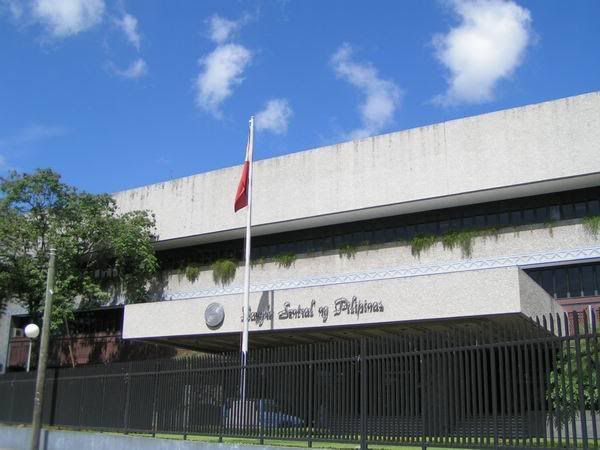
Local residents in davao city were alarmed after hearing the news of 2 bomb scares in different areas within the city in the afternoon of February 24, 2010. Even me after hearing the news on the said bomb scare was alarmed and cannot believe knowing how tight the security in the city. The said bombs were found in the comfort room of the city hall while the other one was found outside the gates of a branch of Central Bank of the Philippines. Local authorities and bomb squads quickly responded to the scene where the suspected bombs were found and then was detonated in a safe place.

Bangko Central ng Pilipinas in Davao City: Location of the first bomb scare

Local bomb squads reassembled the detonated bombs to figure out how it was made and also to be used as evidence in their investigation of who planted those bombs and what are their motives. According to local authorities, the bombs were an improvised explosives and was made on the following materials; 2 bottles of drinking water filled with ammonium nitrate used as the explosive substance, a circuit board, a 9 volts battery and a cell phone that used as the triggering device. Also according to the bomb squads, if those bombs exploded in a crowded place, it could result into severe civilian casualties and damage to properties even though no shrapnel’s found in the package where the bombs were placed. Davao city mayor Rodrigo Duterte in an interview with the local media said that the bomb scare incident was just a plot to ruin the good image of the city and has no intentions of hurting civilians. He also said that he already had suspects of who did the said bomb scare.

City Hall of Davao: Location of the second bomb scare

Though no one died or got injured from the said incident, but this incident could affect the tourism of the city especially during the celebration of Araw ng Dabaw this March 16, 2010. This incident also could ruin the good image of the city which was identified as one of the most livable city in Asia. The good thing was that local police and the local government quickly responded and took control of the situation so prevent worst damage to the city. Another angle being looked at was that there is also a tendency that the root of this incident is purely political. There are those who want davao city to be under comelec control; a situation where the local police, military and the local government will be in the control of the Commission on Elections until the end of the election period. Hopefully this incident will be solved and those who are responsible will be punished and bring back the peace and order of the city, an asset that Davao City has over the past 20 years in spite of unsolved killings in the city. Maybe this is one of the signs of the fiery 2010 elections in the city; a tough battle between the 2 opposing parties here in Davao City.

References:

http://i48.photobucket.com/albums/f226/nick4ubaby/07bsp.jpg
http://noprotection.blog.humanrights.asia/files/2008/06/davao-city-hall.JPG


Tuesday, February 9, 2010

Official Start of Campaign Period for May 2010 elections in the Philippines

February 9, 2010 is the set date for the start of the campaign period for national candidates (president, vice president, senators and party-list) for May 2010 elections. This means the battle has begun. All of our candidates together with their political party, staff and supporters will going to be busy touring the country just to please every single voter by shaking their hands, conducting political rally where they can express their platforms and promises if ever they win. Other candidates will invade every timeslot available in every television or radio programs while others want their faces and names be printed and posted in the sidewalks or hung on trees and electrical posts along highways, all just to attract or to get the attentions of the voters.
However, there are certain guidelines on how will these candidates run their campaigns especially those aiming for national positions. The Commission on Elections made specific rules as far as campaign paraphernalia and campaign budget are concerned. Some of my known rules are as follows:

• Banner or streamers of candidates shall not be posted or put on trees and cable wires.
• Leaflets of candidates to be distributed shall not exceed long size bond paper
• Campaign paraphernalia shall not be posted on government properties, bridges, highways and schools. It should be posted on a private property provided it is approved by the owner. There shall also be common place where to put all these campaign paraphernalia (i.e. plaza, a certain portion of a barangay etc.
• For advertisements in television, a candidate is only allocated 120 minutes of air-time for the whole duration of the campaign and 180 minutes air-time on radio.
• A candidate shall only spend 10pesos per voter for national and 3pesos per voter for local candidates.
• For advertisement over newspaper, it shall be ¾ of a page for broadsheets and ½ of a page only for tabloids.

These rules together with other guidelines not mentioned will be strictly watched by COMELEC as part of their job to deliver an honest and clean election.

Millions of pesos will again be spent by these candidates just to buy a seat in the government, be in national and local executive or national and local legislatives. The Philippines was said to be one of the most expensive elections around the world. But according to economists, the election period could give good effects to our economy for it create part-time jobs like campaign staff, distributor of campaign paraphernalia, etc. Some businesses earn a lot especially the food and transportation for it is the primary needs during campaign period.

But for me it is a disadvantage, they spend millions just for a job that earns them less than 50,000 a month or 3.6 million only in their 6 years term at most. Maybe this system for me is the primary motivator for some of our politicians to engage in corruption. They spend their hard earn money for the sake of public service? Maybe true of some but not for every one of them.

Also during the campaign period we know more about the candidates. What are their backgrounds, their vision and mission for our country, what are their plans for our country and for those who are into poverty, jobless, and those who are hopeless. Again, these sweet words are all promises, all of them of course will do the same, say some good things as they promise more jobs, improve quality of living, affordable and accessible education etc. this is also the time of voters to know each of the candidates, which of them has the guts and the political will to lift our country back to the top, the candidate that understands what the poor needs, the candidate that is really sincere to serve his countrymen.

The candidates have 3 months to convince voters throughout the country to vote them. It means we also have 3 months to know these candidates well. It’s time for us Filipinos to stand for our country. We must be vigilant and aware of these candidates, their backgrounds among others. It’s time for us especially the youth to become active when it comes to social issues. We must not forget that we are the future leaders of this country and what decisions we make today will affect what will look like tomorrow. Have time to read and listen to every campaign materials you can access for it increases your interests and awareness.

ALWAYS REMEMBER TO VOTE RIGHT! VOTE WISELY!

Sunday, January 31, 2010

The temporary freeze of “No Permit No exam policy” of Universities, Colleges and Vocational Schools in the Philippines

For how many years, it has been the policy of majority of Universities and Colleges in the Philippines mostly private schools not to allow their students to take examinations if their school obligations especially the financial one that includes tuition and miscellaneous fees are not yet settled. This policy of schools were also called the “no permit no exam policy” because students will not be issued any examination permit unless all his or her obligations are already settled. With tuition and other school fees increases every year, more and more students in the Philippines mostly at the college level are forced to stop because they cannot take the examinations due to this unfair school policy. As a result, less number of college graduates is produced in the Philippines every year.
Finally, the government has done something right to somehow alleviate this problem in the education system in the country. The Commission on Higher Education (CHED) has issued a memorandum to all universities, colleges and vocational schools in the Philippines to allow students to take their examinations in spite their unpaid dues and unsettled school obligations. CHED Memorandum Order (CMO) 02 series of 2010 was issued last January 22, 2010. This memorandum is at the right time since majority of schools are having their midterm examinations at the moment. But the schools have the right to withhold the clearance of students until all their balance is paid.
This memorandum is in response to the House Bill 6799 or the “Anti No-Permit No-Exam Policy” passed by Kabataan Partylist Rep. Palatino. CHED, upon attending hearing with regards to the bill has made its action in issuance of a memo instead of passing a bill that takes a long process. But there are no sanctions to schools that will not comply on the said memorandum. However, Rep. Palatino is urging students to report to CHED office if their schools are not abiding on the said memorandum.


Synthesis:
For me, the HB6799 must be passed and made as a law to fully abolish the No Permit No Exam policy of schools in the Philippines especially the private schools. There are already a lot of schools in the Philippines and some schools are into commercialization with this policy. What is important to them is to gain large profits on school fees while the quality of education they provide is still very low. The government specially the Education department must be vigilant to these schools and be strict with the curriculum that the school offers. Students must not be deprived from their right for a quality education because of their financial incapability. If the school is really sincere with their vision and mission to offer quality education, for sure they will abide with this law. I understand the public schools needed fees from students as the source of salary for their teachers, for facilities etc. but they should make a new policy that would be equal for both the students and the school. For example, students are allowed to pay half upon enrollment and allowed to take the exams. But their clearance will not be signed unless all their debts are paid. There are a lot of alternatives with this No-Permit No-Exam policy if these schools are really sincere in providing quality education and not only for commercialization.


Thursday, January 28, 2010

The Possibility of Cheating in May 2010 Elections

This coming May 2010 elections is said to be a historical event in Philippine elections because this is the first time that the whole election process will be done in an automated way. Automated in a sense that machine will be used both from reading and counting the votes. The Comelec and the legislative body of our government had created the law to fully automate this coming May 2010 elections and allocated a budget of 11.6 billion pesos for the 82,000 “Precinct Count Optical Scanner” (PCOS) machines that will be used to count the ballots. The COMELEC is really eager to push thru this automated election to solve the aged old problems of the current election system in the Philippines and also to embrace and utilize the full benefits of what modern technology could give to people.
According to the Commission on Elections (COMELEC), with poll automation, they can proclaim the winners in a span of 36 hours unlike the manual counting where it takes weeks or even months to proclaim winners. Also, automated election could eliminate any forms of cheating that are rampant in the manual elections like “dag-dag bawas”, vote buying and the like. The COMELEC keeps on insisting every television and newspaper interviews that automated election guarantees no cheating of any kind. But there are those who do not believe that there will be no cheating in automated elections and in fact, worse cheating might happen or we will just transfer from manual to automated cheating.
Now the big questions running for those who are concerned about the new electoral system in the Philippines, will there be no cheating in this coming May 2010 election? Is “automated cheating” really possible? What are the forms of cheating this critics identified?
Being in the field of computing as a student, with a background in system automation and programming, yes there is a possibility that automated elections can be cheated.
NO AUTOMATED SYSTEM IS PERFECT
As what we learned in systems analysis, design and development, there is no such thing as a perfect system and poll automation is of no excuse to that fact. All systems have flaws that cannot be identified during the early stages of implementation and can only be detected thru time. Since this is the first time that we are going to implement this system, most likely unexpected failures will occur during the day of elections. Hardware failure, system crash, no network connections etc. will most likely happen so COMELEC should be aware of that. Contingency plans should be made. If these constraints will be exploited by those who want to cheat, then cheating will be successful.
AUTOMATED “DAG-DAG BAWAS”
Computers will not do its functions until it is being programmed. A program is a set of instructions that a computer or a machine follows. PCOS machines will be programmed first before it is used to read and count votes. Now this piece of software might be the key for what I called the automated “dag-dag bawas”. Why? Simply because this PCOS machines would simply evaluate the input coming from the scanner, then it will check the instruction to follow given the input and the condition. Take a look at this simple program which the machine will follow in a normal operation. This program has not been cheated yet.
Read input from the scanner
Value = input from the scanner
If (value == candidate A)
CandidateA_votes +1
If (value == candidate B)
CandidateB_votes +1
Etc…
The above instruction is the normal process of counting the vote of a candidate. Now if the source code of the machines is programmed for the benefit of a particular candidate and to manipulate votes of other candidates, then it’s cheating. That’s why I called it automated “dag-dag bawas”. There are a lot of ways to do it. Below are some of the possibilities of this form of cheating.
Read input from the scanner
Value = input from the scanner
If (value == candidate A)
CandidateA_votes +1
CandidateB_votes-1
OR
If (value == candidate B)
CandidateB_votes +1
CandidateA_votes +1
Etc…
Since it is the Smartmatic –TIM who will program all the PCOS machines, the COMELEC must be very vigilant during the programming process. They must hire computer experts or programmers that can understand and read the source codes of the program made by Smartmatic-TIM to prevent this form of cheating. The programs’ source code must also be viewed publicly and it must be ensured that the right program is installed to the machines. Though this cheating could easily be detected by COMELEC, yet they must be very careful because this form of cheating is 100% possible.
BEWARE OF HACKERS
There are a lot of hackers in the internet. There are hackers that have the ability to infiltrate a system in just a minute. One of the features of this automated election is that votes from a polling precinct will be transmitted to a remote site before the votes will be transferred from this remote site to the main server through the Internet. Yet the internet is the fastest way to transfer data from far places, but it not the safest medium either. Desperate candidates could hire the best hacker available to hack the server or to intercept data to be transferred and manipulate it to their advantage. According to the COMELEC, this form of cheating is impossible to happen because it is impossible to hack a system in a span of 3 days. But with the knowledge of new generation hackers and the capabilities of modern technology, everything now is possible. Extra effort in network security is crucial in the implementation of the system. Also a good encryption algorithm must be used to maintain data reliability and secrecy. This form of cheating can be prevented trough preparation and early interception of the possible attacks from the outside.


Aside from these new identified forms of cheating, the COMELEC must also prepare the traditional cheating tactics that are present during the election like power interruption (though PCOS can have a back –up power supply (UPS)), flying voters, and harassment on voting places during the elections. For sure these problems will still be present.
For the COMELEC, preparations for these problems play a major role in the success of this new electoral system in the Philippines. They still have 4 months to prepare not only the problems of cheating but also to educate voters with regards to this new system. Voter’s education will also play a critical role whether this automated system will be accepted by the Filipino voters. How will the voters use the system if they don’t know how to use it?
Let’s hope for the best for the COMELEC for a clean, honest, fast and most importantly historical elections come 2010.


Sunday, July 26, 2009

Thoughts on the Final SONA of PGMA

July 27, 2009 is the set date for the 9th and constitutionally the last State of the Nation Address of Pres. Gloria Macapagal Arroyo. She had delivered 9 State of the Nation Addresses since she took oath as the President of the Republic of the Philippines last January 2001. During that time when she first delivered her very first SONA, my interests and views of any political and social issues were not that intimate and very strong as of now (I was only in grade six when the historic EDSA II happened). As what I have heard from my father and have read in the articles, the contents of SONA of our president were projects that have and will be implemented particularly in the fields of education, health and welfare, poverty, employment, infrastructures, agriculture and the economic growth. This has been the common denominator of the 8 times she had delivered her speech right in front of the joint House of Representatives and the Senate. All of what she said in each and every SONA were very promising and for the benefit of all Filipinos.

There are also some unforgettable moments during the SONA like the 3 kids from Payatas who wrote their wishes in a toy boat made of paper(bangkang papel) and then released it at the Pasig River and the walk-out of some opposition legislators who can’t take the lies that the president was saying (that’s according to them). Another was that for every achievement that the president said was responded by a standing ovation for those who are in the plenary specially her allies.

Amidst the 8 SONA's she had delivered in the past, there is only one question that was easily formulated in my mind; where are those achievements and promises that Pres. Arroyo mentioned in her SONA? Why can’t we visibly see the effects of those solutions to the real problem we are facing specially in poverty and education? In the 8 SONA’s, there will always be mentioned such as improvement in the quality of education, additional classrooms, 1:1 ratio of books, less drop-outs in public schools. Where can we find it? Name a school that has all this stuffs? In the rural areas, elementary students walked for 7 kilometers and even cross 26 rivers just to learn. Is that what they called accessible education? What about those who are living below the poverty line? Does their number decreases? According to them yes! But look around and you can find the answers. What about the crisis here in Mindanao? They had proudly said in the media that there were no more Abu Sayaff in Mindanao, but what happened to Ces Drilon, and the 3 Red Cross Volunteers? Why they were kidnapped?It’s been 8 long years and Mindanao was still as dangerous as it is before. What about the corruption that plagued this administration? What about the ZTE/NBN deal, the Hello Garci issue, the fertilizer fund scam, the C-5 road extension project? Were we given a satisfactory explanation from our government? We are talking of billions of pesos in those projects and let me remind that those were taxpayers’ money. What about those who were involved in this scandal, were they properly interrogated? What about the extrajudicial killings? Were they given justice? These are the questions that for the past 9 years, no acceptable answers were given. I believe that these issues and scandals will soon be forgotten as she steps down in position, that if she will step down.

What makes this last SONA more interesting is that the House of Representatives will open their last session under the term of Pres. Arroyo. Take note that before they recessed their sessions a month ago, they magically approved H.R 1109 convening the House of Representatives as a constituent Assembly even without the participation of the Senate. Now everyone specially those who are in the opposition, political and law experts and every single vigilant Filipino are waiting and watching if the House of Representatives will now convene as a Constituent Assembly and start to amend the constitution and eventually change the form of government into a parliamentary. Every one of us knew that convening the congress right after the SONA is illegal and unconstitutional, but what else is new? Remember that the content of HR 1109 was also illegal and unconstitutional. It was clearly said in the 1987 constitution that the House of Congress cannot convene themselves as a constituent assembly without the participation of the senate and the senate didn’t even attempted to discuss con-ass and cha-cha in their sessions. So we must expect the unexpected in the SONA later. Rallies by the opposition and some church leaders were already prepared to counterpart the SONA of Pres. Arroyo. The opposition always insisting that the real SONA were the rallies and noise barrage in the streets and not on the paper and in the 4 corners of the House of Representatives.

Let me clear myself that I am not a pro or an anti Arroyo, what am I is a pro government. I go for those in which the majority will benefit. I stand and fight in whatever means I can in actions that will completely destroy the future of our country. Yes I agree that the Arroyo administration has done its best in providing solutions to the problems they inherit from the previous administration.
It’s time for us youth to stand up and fight for the future of our country. We must learn a lesson from this administration as the future leaders in our country. It’s time to make a difference and I’m starting it RIGHT HERE RIGHT NOW!- AKO ANG SIMULA!............................

Friday, March 6, 2009

Are We Ready for "E-lection"?


The Commission on Election or Comelec just recently proposed for a full automation of the upcoming 2010 Presidential Election. The proposed budget for the full automation of the national and local election is 11.3 billion with will be funded by the taxpayers money. The proposed budget was already approved by the House of Representatives and is currently in the House of Senate for their approval. According to Comelec chairman Jose Melo Jr., they need the said budget as early as March this year so they can start the bidding and have the said equipments as soon as possible. But some senators like Francis Escudero and Juan Miguel Zubiri has questioned the Comelec in the hearing of they can assure the Filipino people that there will be no cheating if the election will be fully automated. But chaiman Josel Melo Jr. replied that there will be no assurance of a clean and honest election if it will automated specifically in human threats like rebels or any evil forces that will try to sabotage the election (specially in provinces like Maguindanao, Sulu and other Mindanao Provinces). Some of the political leaders and law experts doubt if the automation will materialize due to lack of time and unpreparedness in the part of the Comelec. Automation of election has been successfully done in the Autonomous Region in Muslim Mindanao (ARMM) election last August 11, 2008.


For me, automation of the election system in the Philippines is very promising as India is the only country in Asia to have a fully automated election system. Now is it applicable for our cause? Based on the hearing conducted by the senate committee as a whole, the Comelec seems not yet prepared for the automation. They seem can't provide the specifics with regards to the automation like the font size of the ballot and security features of the system. Time play a major factor here. If there will be no enough time for the full automation, then we stick to the manual system. The Comelec should not waste the taxpayers money in buying those equipment if they are not going to use it just like what the former Comelec chairman Benjamin Abalos Sr did with the counting machines that are not used and until now we are still paying. The senate must weigh the cost and the benefit of having a full automation of election. They must be very careful in their decisions not like the House of Representatives which magically approved the said budget. I agree to what Sen. Francis Escudero remarked in the hearing that he cannot approve 11.3 billion budget for only one sitting.

The bidding of the contractor should also be done in public or any means where transparency and reliability of the bidding will be ensured to avoid corruption which is very obvious in this administration.

Automation of Election could be very good as far as security, reliability and speed of the election is concerned. But there must also factors to consider speially time if this is feasible for the country as of the moment. The fate of another Philippine history is in the hands of the House of the Senate and the President.

Tuesday, February 3, 2009

Random Drug Testing for Students in the Philippines


The Department of Education has announced that they will be conducting a mandatory random drug testing to all high schools and colleges in the Philippines. This is in response to the call of the President of the Philippines Gloria Macapagal Arroyo to combat the worsening cases of drug related incidents in the Philippines. The Philippines has been facing huge problem when it comes to drug prevention and that includes drug addiction, drug using and drug trafficking. Most recent scandal was the "Alabang Boys"(Richard Brodett, Joseph Tecson and Jorge Joseph) scandal that includes 3 men from prominent families in Alabang that was caught by the Philippine Drug Enforcement Agency (PDEA) last September in a buy bust operation. This case was later on turn into a big controversy as the birbery issue of the families into the DOJ prosecutors were later revealed by PDEA. As of this moment, this controversy is still under trial by the independent panel created by the president. President Gloria Macapagal Arroyo later appointed herself as the National Anti-Drug Prevention czar to lead the country to fight drug and one of the solution is to conduct random drug testing to high school and college students in the country. The drug testing has already started in Metro Manila and later will be implemented also in Cebu City and Davao City in Mindanao. According to the Philippine Drug Enforcement Agency (PDEA), majority of the drug addict here in the Philippines were on the age bracket of 15-18 years old so conducting random drug testing in schools will somehow lessen and maybe eradicate drug addiction among youths.


This proposal has been subject to criticism by human rights group in the country. They pointed out that submitting students into drug violates the right to privacy of the students. Add on to that, drug testing should not be compulsory but voluntary. This action of the government has also receive a lot of both positive and negative comments from the students who will be greatly affected by this actions of the government. According to some who were interviewed by T.V stations," conducting random drug testing in schools will results in positive effects like reducing the number of drug addicts in the country specially the students". But some of them don't favor this program of the government."Conducting random drug testing for students will not solve the worsening problem of drug addiction in the country. If the government wan't to completely eradicate drugs in this country, they (the government) must go after those wealthy drug lords and drug syndicates that are freely moving in the country. They must prosecute those who will be caught.

Being a college student, I am also affected by this current issues in our society. For me, submitting myself for drug test is not a big deal for me because first, I am 100% sure that I am a not a drug user. This goes also for all the students in the Philippines, if they are not addict, then why fear? Issues of privacy could be solved by keeping private the records of the students who will be positive to any forms of drugs. School administration should be held liable if this information will be exposed to the outside world. Also this will help parents know if their child is using drugs. They could later decide to send their child to a rehabilitation center.

But still this program of CHED and the government still has a lot of holes to be fixed and still not the best solution to completely eradicate drug addiction in the country. Students are only victims here. They are the victims of this powerful and very influential drug lords and drug syndicate that are still free and doing the damage in our society. The government must think of long term solutions to completely erase drugs in the Philippines. They must prosecute those who were caught. There are a lot of drug laboratories found by the police but there is no single individual who were caught. The government should implement the law. But this battle is not only for the government alone but also for everybody. Everyone of us should take part on solving drug problems. We are fully aware that drugs will kill our future so why use them? For sure we can completely defeat drugs if everyone of us will take its part and be vigilant.

Friday, January 23, 2009

Addressing Skills Shortage in the Philippines


The Philippines, even though a 3rd world country, slowly and trying to cope up with the fast technological change. Yes we are far beyond on what are the technological advancements rich countries like Japan and U.S.A, but we filipinos have the capability to compete with them in terms of skills and our ability lo learn. Our country also slowly becoming as one of the Information Technology hub in Southeast Asia together with Malaysia and Singapore. A new trend in business that we called outsourcing or Business Process Outsourcing (BPO) has become the most famous in our country. Some companies in the United States outsourced in our country because of the low cost of business here and filipinos has the capability to engaged with such jobs. Because of the very fast growth in the field of ICT, the Philippines right now is facing skills shortage on this field. In a study conducted by XMG, a global ICT research and advisory tank, “the total ICT growth in the Philippines which is projected to grow by 30 to 35% FTE year-on-year through 2010”.” But the country's IT labor pool average growth for the past 5 years is only 10% and is forecast to grow by another 3% in the next 2 to 3 years,”. This is the current shortage status of the country as far as the ICT field is concern. How are we going to solve the problem of skill shortage? Here are some of the strategies the government had implemented and must implement to solve the increasing number of skills shortage in the country.


Improvement of the education system specially in State Universities and Colleges

the government implemented some changes in the curriculum of some universities and colleges through its ladderized curriculum program headed by the Commission on Higher Education (CHED). With this program, students could acquire the needed skills needed by the industry.
The government must also increase the subsidy of every State Universities and Colleges (SUC's) for them to provide state of the art facilities to their students. This has been the major problem of state universities and colleges throughout the country.
The government must also limit the increase of matriculation of private schools to have an increase of enrolling students. Increasing the no. of students could solve the skills shortage in the country.

Provide training institutions in technological fields at low to no cost

TESDA offers some technical courses to students at a low cost and also in a short period of time. This training are the best alternative for those who cannot afford to go to universities. But the no. of training institutions in the country is still not enough to produced the needed labor pool in the field of ICT and technology.

Industry-Academe Mismatch

this is the problem that needs to be solve first. There is a mismatch on what the academic sector produced to what the industry needs. According to XMG analyst Benedict Dormitorio, “ensuring curriculum alignment of educational institutions with the current market needs of the industry through close consultation with ICT companies and organizations is very important”. The graduates produced by the academe is useless if it doesn't match on what the industry demands. An example of this is strengthening partnership of industry and academe in offering On the Job Training (OJT) program for the students to acquire skills that industry needs.

Government Should promote Technology Courses

the government must also encourage incoming college students to enroll to what are the in demand courses like IT or Computer Science to increase the number of expected graduates.

Wage Increase

majority of the fresh graduates on this field migrated to neighboring countries like Singapore, Middle East, India, China and Malaysia because of low wage. The government must increase the current wage rate in the country to convince our graduates to stay in the country.


Reference:


http://www.infoworld.com/news/feeds/08/04/04/Critical-skills-in-the-Philippines-face-shortage.html

Sunday, August 31, 2008

Reserch Topics Derived from SONA


Automated study of Land Conversion in the Philippines


Main problem in which the country is facing right now is the high price of rice. This is because the supply os very low and the demand is very high. There are numerous reasons on why the country is experiencing rice shortage such as calamities like typhoons and el- nino. But there are also reasons in which man made and can be studied and it is what we call " land conversion" in which rice fields are converted to crop land or banana plantation to earn more money.


The study will be a simulation model of the farms (by region) in which we can visually see the effects of land conversion to rice production. The model could be a good tool on showing the effects both positive and negative when land conversion is done in huge hectares. It is very helpful to all concerns such as the government and farmers in their decision making.


Software Development and Production Training for public high school Students


According to Pres. Gloria Macapagal Arroyo's State of the Nation Address, there will be a need for IT professionals and software developers in the next couple of years. Software development (aside from outsourcing and call center) will be the in demand profession in the future locally, nationally and internationally.


Objectives of the Proposal:


1. Provide students more knowledge on what are the latest trend and development in the world of Information and Communication Technology (ICT).
2. train students the best techniques and skills needed for software development.
3. prepare students to be a good IT professional as early as possible
4. Furnish the talent of young filipinos to become globally competitive when it comes to software development.
5 prepares the country to become the source of the best IT manpower in the world.


According also to Dr. Randy S. Gamboa, there is no need to take a 4 yr. BSCS and BSIT degree courses to produce a good quality softwares. Even a highschool student can learn all the needed skills, training and techniques and can have all the needed resources to produce top of the line softwares. We can start training students as early as their highschool.


We filipinos are very resourceful, we can always maximize on the limited resources that we have. Our talent is not limited on what we have but on what we can do. That's according to 2 gentlemen from the IBM. Lack of resources will never be a hindrance for filipinos.


Pros and Cons of Free Text Messaging in the Philippines


In her recent SONA, the president mentioned the possibility of free text messaging in the country. During the time of her SONA, the cost of a text message was .50 cents. A study must be conducted to determine what are the positive and negative issues that need to be considered for this proposal to materialized. Although free text is very good for consumers but both sides must also be taken part to avoid bias.

Objectives of the Study:
- To determine the Pros and Cons of Free Texting to :

1. network providers
2. subscribers (of any type and level)
3. companies(both commercial and government)
4. The quality of services provided to the providers.

Thursday, July 17, 2008

RP university partners with US company to offer computer subjects

This news article is courtesy of


Good news for all colleges and universities and also for the students who are taking up computer courses such as Computer Science and Information Technology.

The local office of Massachusetts-based EMC Corporation has picked De La Salle University’s (DLSU) College of Computer Science to be its first domestic alliance partner for its global EMC Academic Alliance program. Read full article.


With this partnership, there will be a very good orientation for every students on what the real world really needs. There will be an assurance that what we learn from school is what the industry needs. Maybe years from now it will be all over the Philippines because there are still misconceptions on what are the qualities of being an IT/CS student.

This will mark another milestone of Philippines-America partnership.